
PROD Trends
How long AI takes to reach production at a large company, presented by the people who went through it.





- 17 TALKS: two stages, 20 speakers, 14 from outside Zowie
- 8 ROUNDTABLES: Chatham House, not recorded
- 58 COMPANIES: 144 guests, 170+ people with speakers
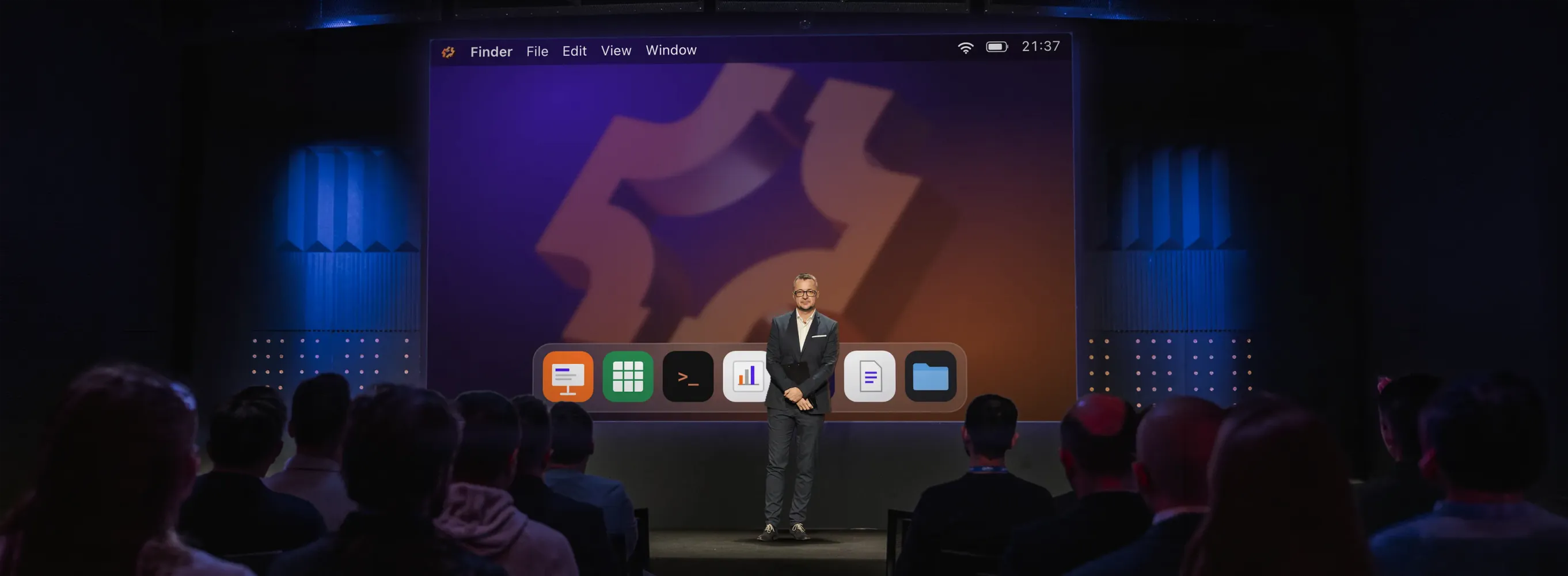

See PROD in action
Introduction
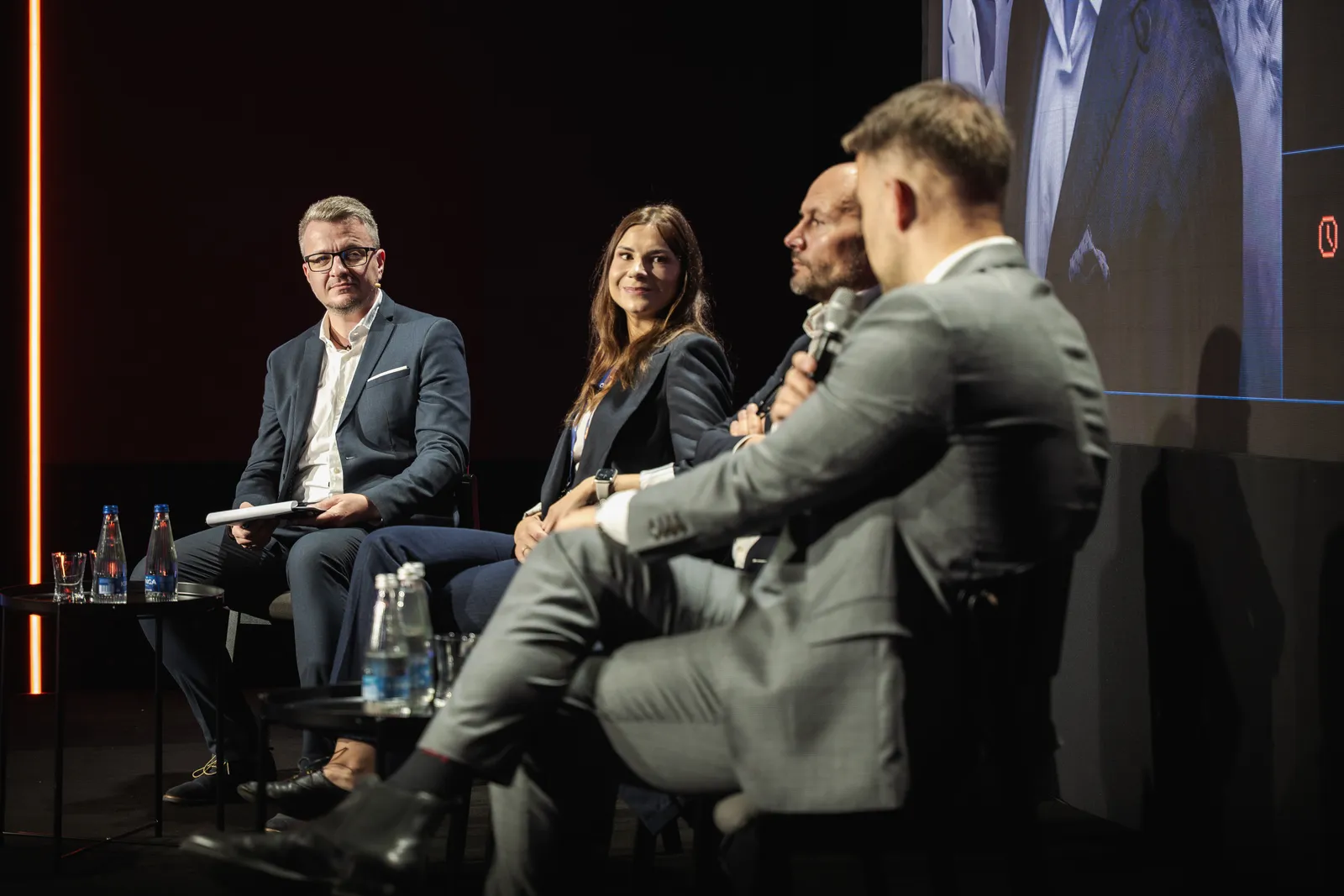
On 13 October, more than 170 people who are responsible day to day for AI rollouts at large organisations met at Fabryka Norblina. The programme had 17 talks on two stages, and at 3 pm the attendees sat down at eight roundtables to talk about the challenges they face in their own companies and about what stands in the way of further rollouts.
Prologue 1:30 pm - four prompts
On the main stage after lunch stands the man responsible for customer care technology at a major logistics operator. Only four prompts are on the screen. That was enough, he says, to build a new AI product in an hour: a tool that reads customer call transcripts every night and has the conclusions ready for the team by morning. The room does the arithmetic on how long that project would take at home.
Then he shows what those prompts do not contain. There is not a word about integration, because the systems were already connected. Nothing about data either, because every customer and every case in this company has one ID. Nobody had to describe the process, because it was written down before anyone thought about a model. The hour was possible thanks to two years of work that rarely gets shown at conferences.
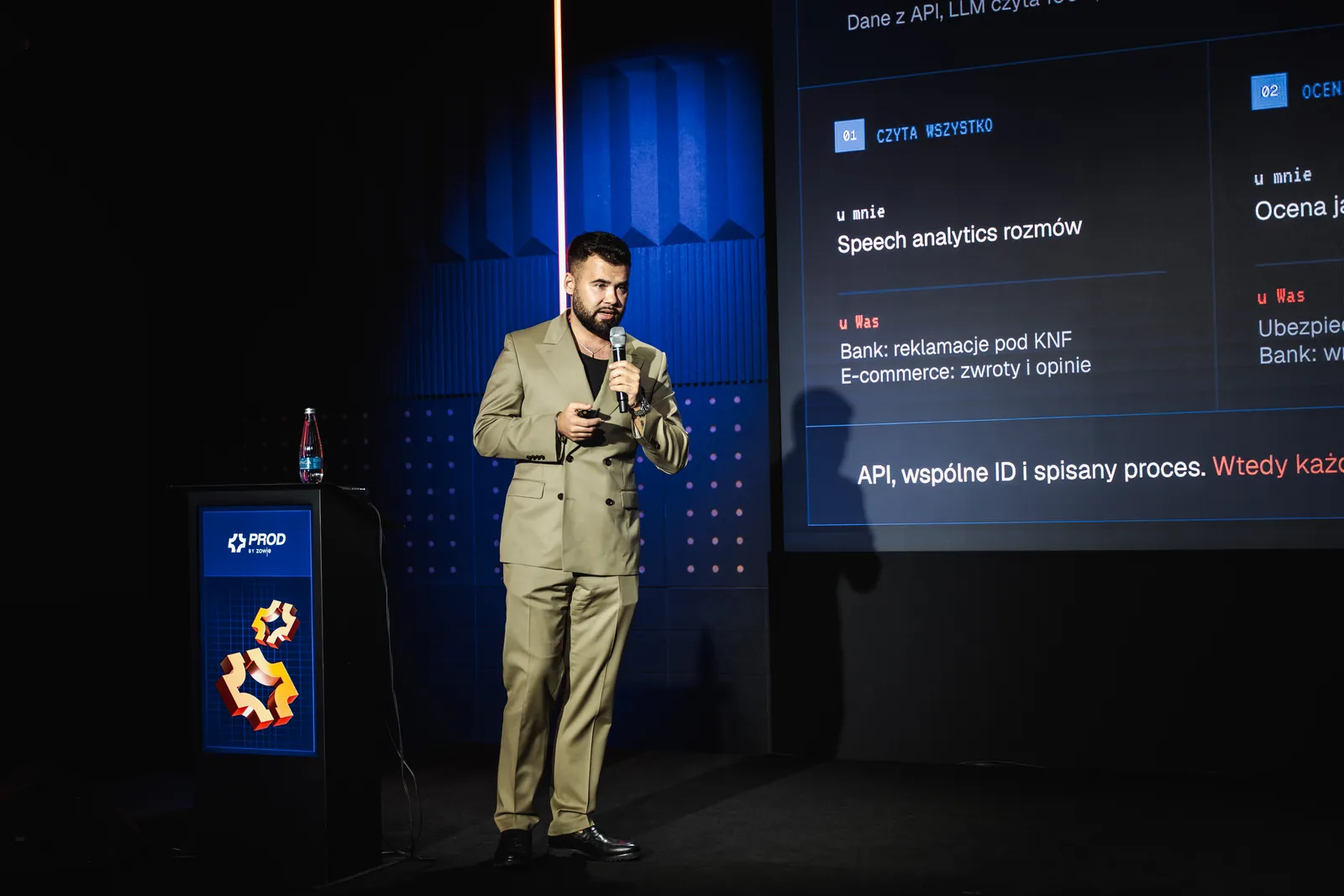
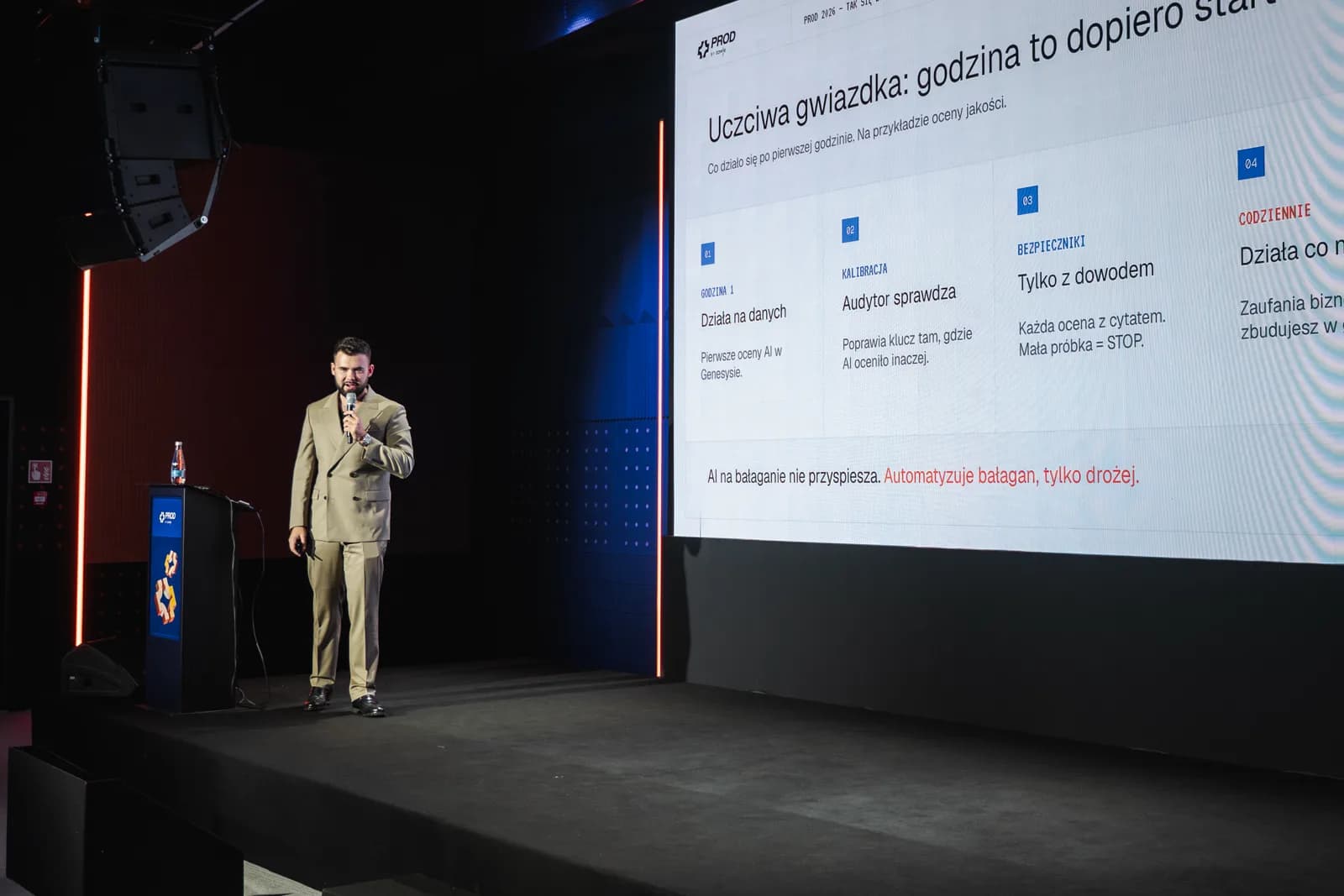
“We designed each of these processes internally and configure them in the engine ourselves. Zowie provides and maintains the engine. ”

The rest of the day was about those two years. People from banks, healthcare, retail and software houses told their own versions. Each used different words, but the conclusion was the same: before the hour becomes possible, a lot has to be done with people, processes and data.
Three themes that kept coming back all day.
- 01
An AI rollout is 20% technology and 80% people, process and governance.
The ratio came up in six talks, from leaders in five different industries. The companies that took AI into production started with clean data, written processes and people who own them.
- 02
Even a talented agent needs someone on duty.
Before an agent goes live you need to understand who starts the task, where it gets its data, when it hands over to a person and who spots the error. Agent autonomy was the number one topic at the tables.
- 03
AI pays off if you count the full cost and know your baseline.
Without a measurement taken before the rollout there is no value to show. Companies at PROD are clearly moving away from counting licences and lines of code. They are starting to measure how the way of working changes and what it does for the team.
The ones who said no early.
In the afternoon, attendees sat down at the roundtables. The Chatham House rule applied: what was said in the conversation can be repeated, but without revealing who said it. The most people signed up for agent autonomy, for which two tables were organised. 18 people picked it as their first choice and another 9 as their second. Earlier, on stage, the same topic was discussed mostly through the questions companies are still looking to answer.
The stage talked about building. The room wanted to talk about control and the bill.
Building software with agents got the most time on stage: 155 minutes. Control drew the most roundtable sign-ups: 36, though the stage gave it 20 minutes.
Source: roundtable sign-ups in the PROD by Zowie app (54 people, 108 sign-ups, first and second choice) and our classification of both stages' agenda. Topics group the 8 tables; building software and security had no table of their own.
InPost decided early which calls do not belong to AI and built the rest of the system around that decision. The agent was doing well, but handing a call to a person had to be a rule, not the model's call. At LPP the agent handles tickets under strictly defined rules, alongside a back-office team with access to everything the agent sees.
“Some calls don't belong to AI. We made that decision early on and built the entire system around it. Escalation to a human is not a probability; it's a rule. ”
 Mateusz SewerynCustomer Care Excellence Director, InPost
An adviser to a bank's CEO closed the day with five questions that, in his view, every organisation should answer before an AI agent goes into production: who starts the task, where the agent gets its data and permissions, when it hands the case over to a person, who spots the error and who resumes the process. At another bank, by contrast, human involvement in automated updates depends on the risk of the change. Low-risk changes go through automatically, while for high-risk ones the application owner can step in at any stage.
A similar principle came up again and again in the technical talks, under different names: a quality gate at the end of an agent swarm, a person who decides on production after the test results, agents that wait for a decision instead of making it. In all of these companies a person stayed in the process. They differed in whether anyone had written down exactly where that person's place is.
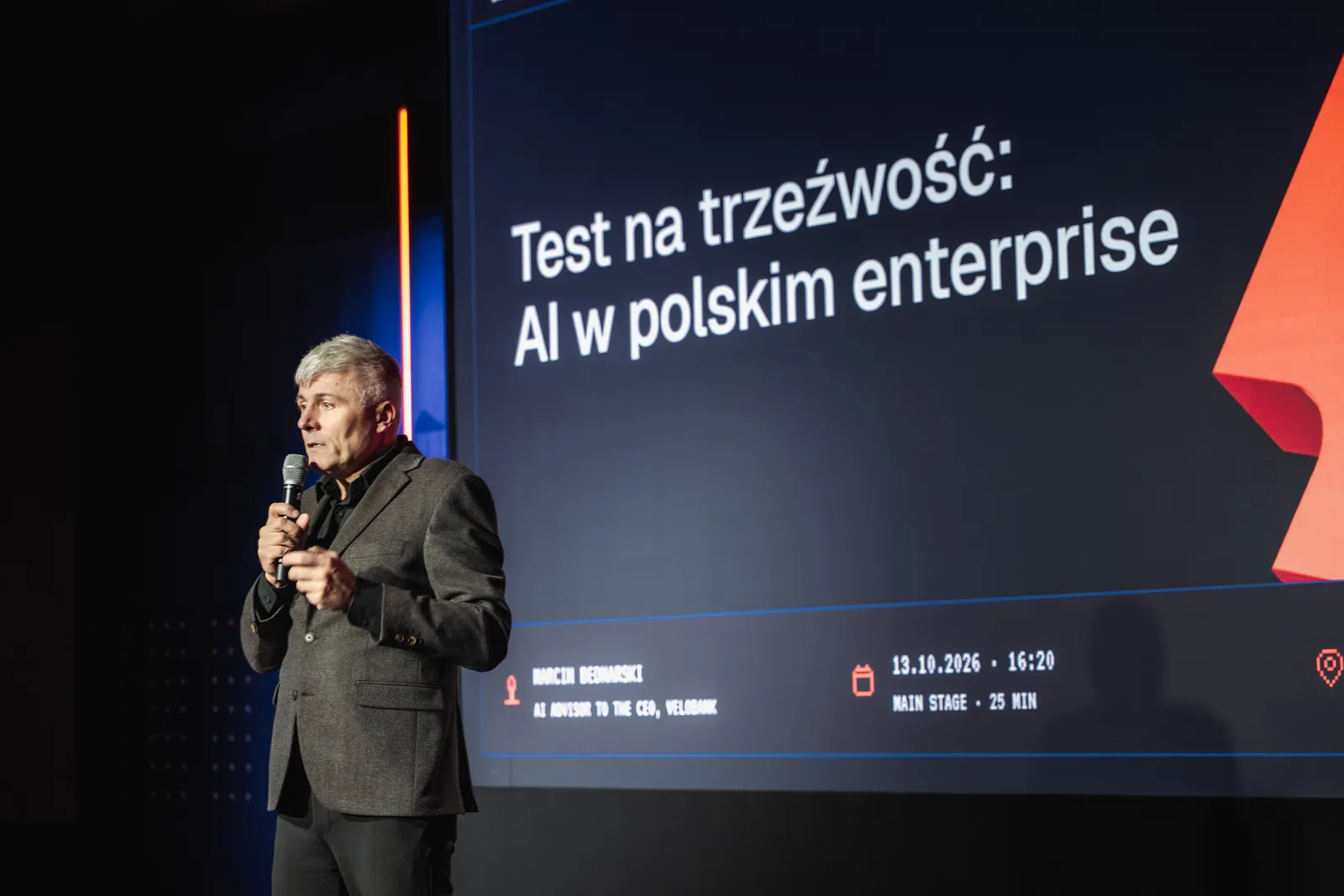
“Instead of a magic bot we need orchestration. Before an agent starts, you have to answer: who starts the task, where the agent gets its data and permissions, when it hands the case to a person, and who sees the error and resumes the process. Without those answers the agent has talent, but nobody is on duty. ”

A duty card for your agent
Takeaways
- 01
Write a duty card for every agent before it goes live: five questions, five names.
- 02
Set the autonomy threshold by risk, not by task type.
- 03
Give the agent and the people one working environment. Two systems are two versions of the truth about the customer.
Keep reading, it's free
- The whole report now: every act released so far, with its takeaways and leaders' quotes
- The next parts of the report in your inbox on the day they come out
- Takeaways from the talks at PROD, act by act
Clean up first, then AI.
The most repeated sentence of the day was a ratio: twenty percent technology, eighty percent people, process and governance. It came up in six talks, in five industries.
The head of digitalisation at a large industrial group described a programme that covered thousands of AI assistants and well over ten thousand trained employees. Her team started by asking who owns the data, who owns the process and who will measure the change. Tools were chosen later. Progress was counted in changed ways of working, not in licences.
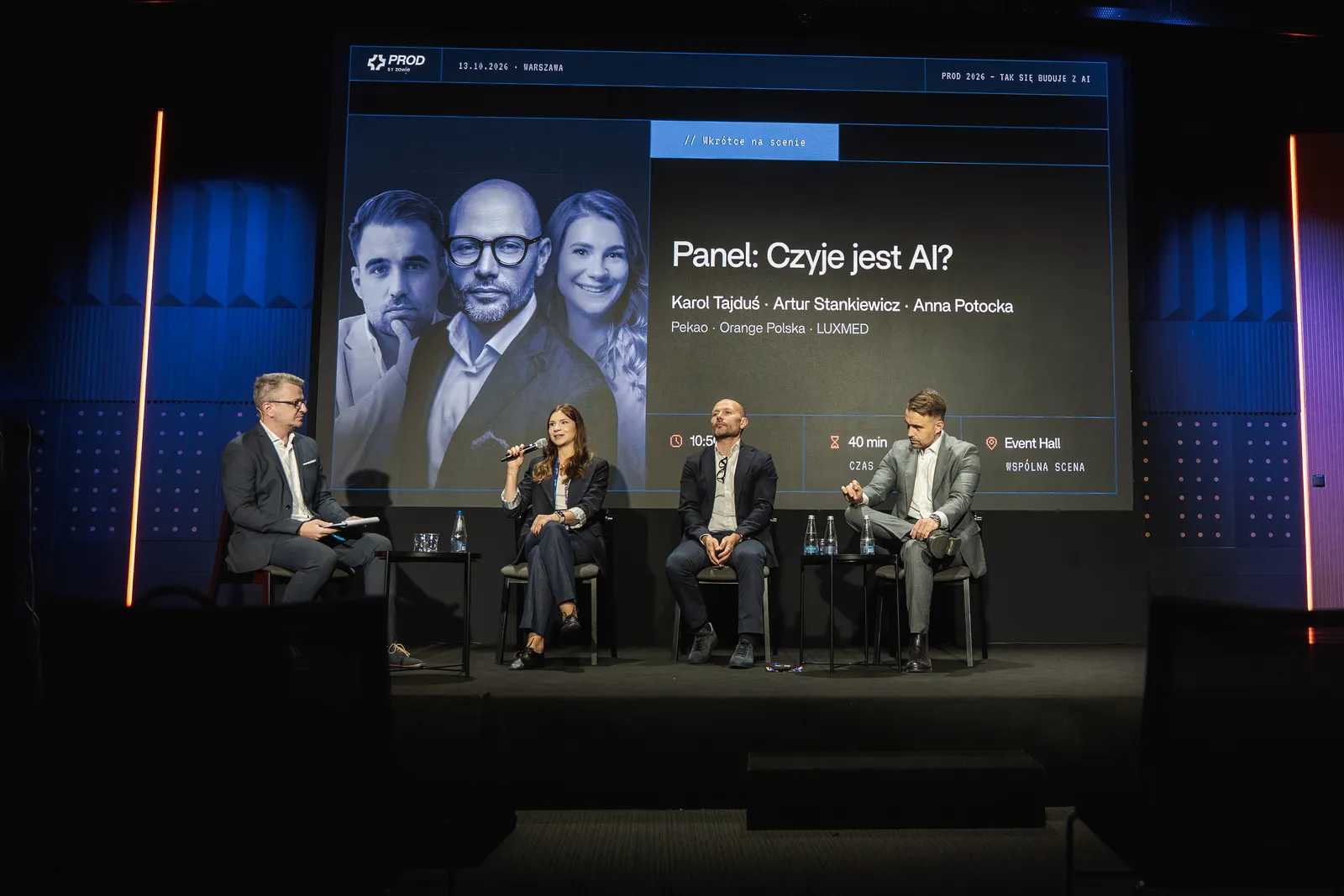
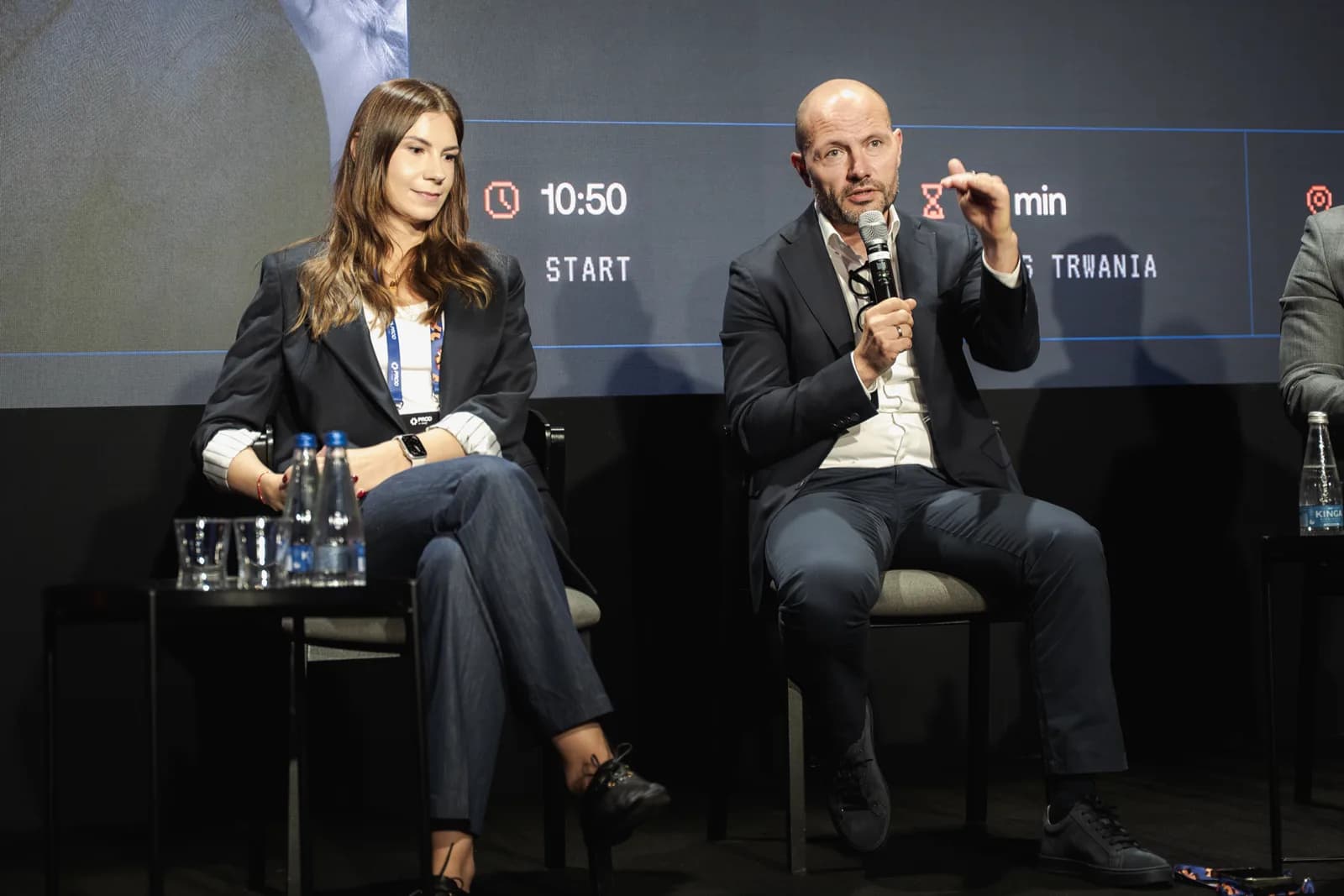
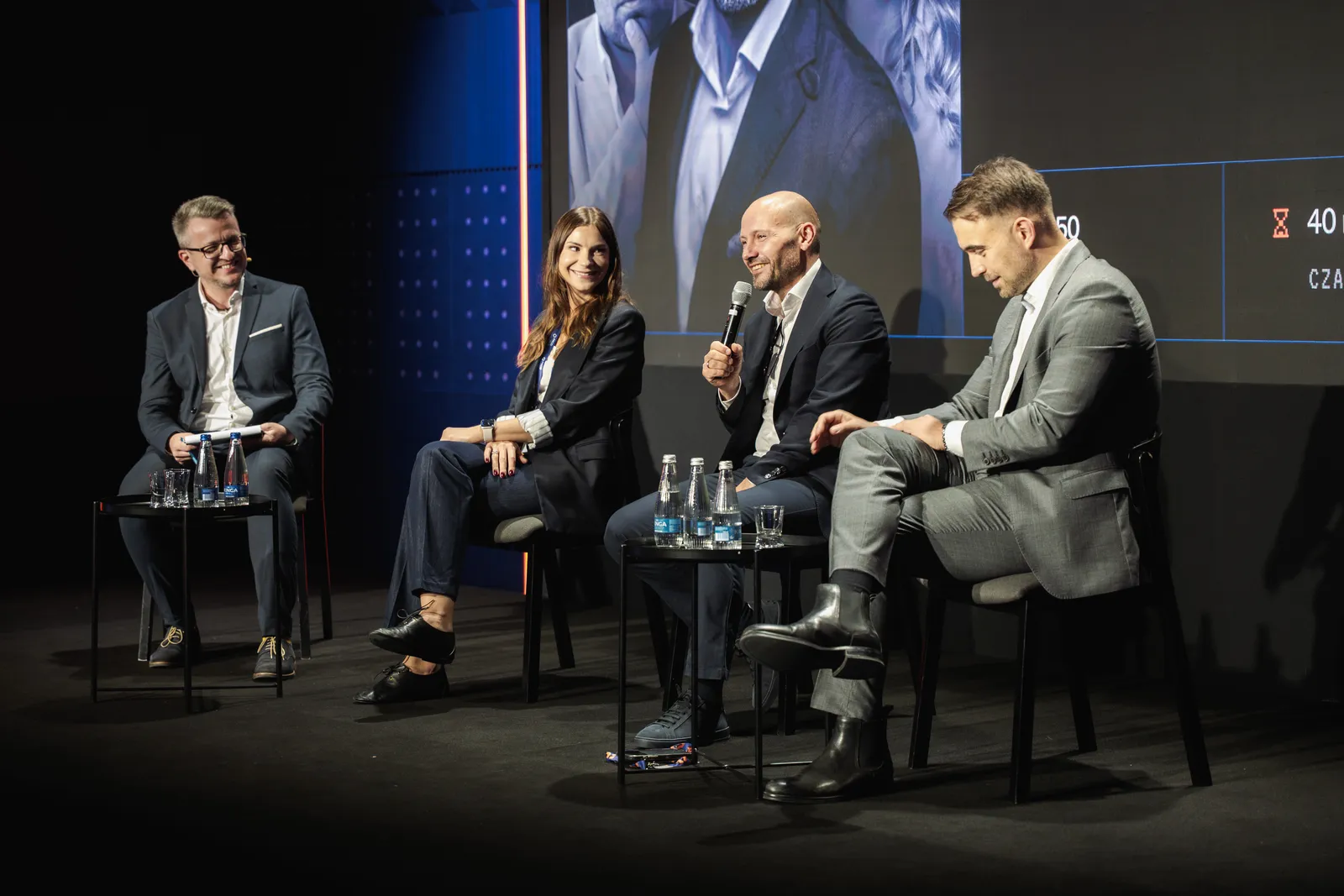
“In our case, especially in the processes meant to be automated, we sometimes have too many exceptions. We have to work on those exceptions and keep the process closer to a standard, so that automating it makes sense. And often remodel the sources the agent is meant to reach, so the AI can understand them and actually answer adequately. ”

Anna Potocka, Head of AI at LUX MED, pointed to exceptions: the processes due for automation had so many that automating them stopped making sense. Before the agent got access to the knowledge sources, some of them had to be rebuilt so they could be understood at all.
Karol Tajduś of Bank Pekao added a condition rarely mentioned during a boom: architecture decisions have to leave room to replace a vendor, and nothing should be rebuilt just because a new model appeared. Michał Partyka of Zowie showed that in a world of agents the foundation is the API, and that a tool description or an error message becomes an interface that has to be designed like a screen for a person.
Twelve theses that kept returning regardless of industry.
7 talks
One of the consultancies · One of the large companies · One of the consultancies · One of the financial institutions · Fashion retailer, CC platform · One of the large companies · Zowie, interfaces for agents7 talks
One of the consultancies · One of the financial institutions · One of the large companies · Fashion retailer, CC platform · One of the large companies · One of the consultancies · Zowie, AI tests AI6 talks
One of the large companies · One of the large companies · One of the financial institutions · One of the consultancies · One of the financial institutions · Fashion retailer, CC platform6 talks
One of the financial institutions · Zowie, AI tests AI · One of the consultancies · Fashion retailer, CC platform · One of the financial institutions · Zowie, software factory6 talks
Zowie, software factory · One of the consultancies · One of the consultancies · Zowie, interfaces for agents · One of the consultancies · Fashion retailer, CC platform6 talks
Zowie, AI tests AI · Zowie, interfaces for agents · Zowie, software factory · One of the consultancies · One of the large companies · One of the financial institutions6 talks
One of the consultancies · One of the consultancies · Zowie, what replaces the IDE · Fashion retailer, CC platform · One of the consultancies · Zowie, software factory6 talks
One of the speakers · Zowie, interfaces for agents · One of the financial institutions · One of the financial institutions · Fashion retailer, CC platform · One of the consultancies5 talks
One of the consultancies · Zowie, AI tests AI · One of the large companies · Zowie, interfaces for agents · One of the speakers5 talks
One of the large companies · Zowie, interfaces for agents · One of the financial institutions · Fashion retailer, CC platform · Zowie, AI tests AI5 talks
Zowie, software factory · One of the consultancies · One of the consultancies · One of the financial institutions · One of the consultancies5 talks
One of the consultancies · One of the consultancies · One of the large companies · One of the large companies · One of the financial institutionsWe count the talks that made the point explicitly on stage: 13 of 14, panel and fireside excluded. Talks unnamed, except our own.
The map below shows which theses kept returning across talks regardless of industry. Foundations and measuring the effect connect the most talks. This was not the organisers' plan. The speakers had not seen each other's slides.
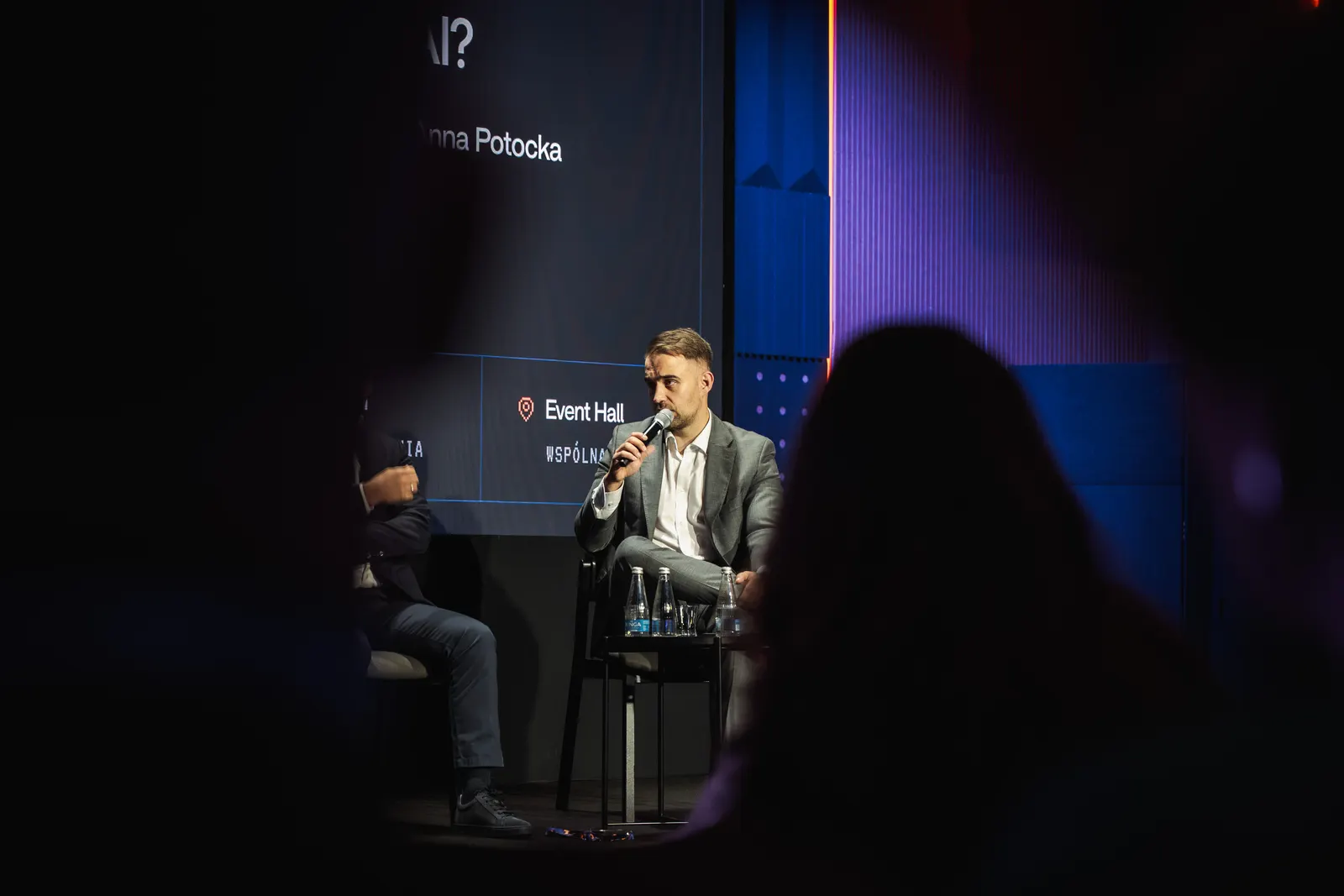
“With all this AI boom, part of our role is sometimes to say 'hold your horses'. There is no point in overturning the whole architecture or strategy just because a new model has appeared. ”

Takeaways from PROD
51 takeaways from both PROD stages, grouped by theme.*

* Edited by Zowie from the talks at PROD.
Takeaways
- 01
Before you pick a model, count the exceptions in the process. If there are more exceptions than rules, you are automating too early.
- 02
Check whether every AI component can be replaced within a quarter.
- 03
Review your APIs through an agent's eyes: tool names, error messages, permissions. That is UX now.
Yesterday and today for one consultant.
The most important change discussed at PROD happens in the working day of the person sitting closest to the customer.
Dawid Telepski of LPP described it as yesterday and today. Yesterday the consultant looked up the customer and the order, checked the store and the parcel status, wrote an email and waited for a reply. Today the agent has the full context of the case from the first second, checks the parcel, contacts the store and watches the deadlines, and the consultant talks to a person who has a problem.

“Yesterday the consultant looked up the customer and order data, checked the store and the parcel status, wrote an email and waited for a reply. Today the AI agent has the full context of the case from the start of the contact: it verifies the parcel, contacts the store, watches the SLA deadlines and monitors status changes. ”

In healthcare it looks different. The doctor could see the patient's context in the dashboard before the appointment, so the patient would not have to tell the same story again. At a bank that automated updates across hundreds of microservices, developers won time back, although part of it goes on the next round of security fixes.
These are changes for people who were not on stage: consultants, doctors, programmers. The audience was mostly their managers. Almost seventy percent of the room were managers, directors and board members, the people who decide what somebody else's working day will look like.
Who was in the audience.
144 guests from outside Zowie by registered role. Speakers and the Zowie team excluded.
One of the consultancies put numbers on it: teams working with agents are half the size, roles consolidate around writing specs and accepting results, and the organisation flattens. An integrator answered the question about juniors: they are still needed, because AI mistakes are bigger, faster and confident, and someone has to learn to judge them.
Piotr Jósiak of Zowie showed where human time goes in such a team. Most of it goes on writing the spec, because before the agent starts building, the spec has to be understandable, complete and consistent. The rest goes on reviewing the evidence and accepting the result. An integrator added who writes the rules the agents work by: seniors, the same people who were most sceptical at first and came round only after their own first win.
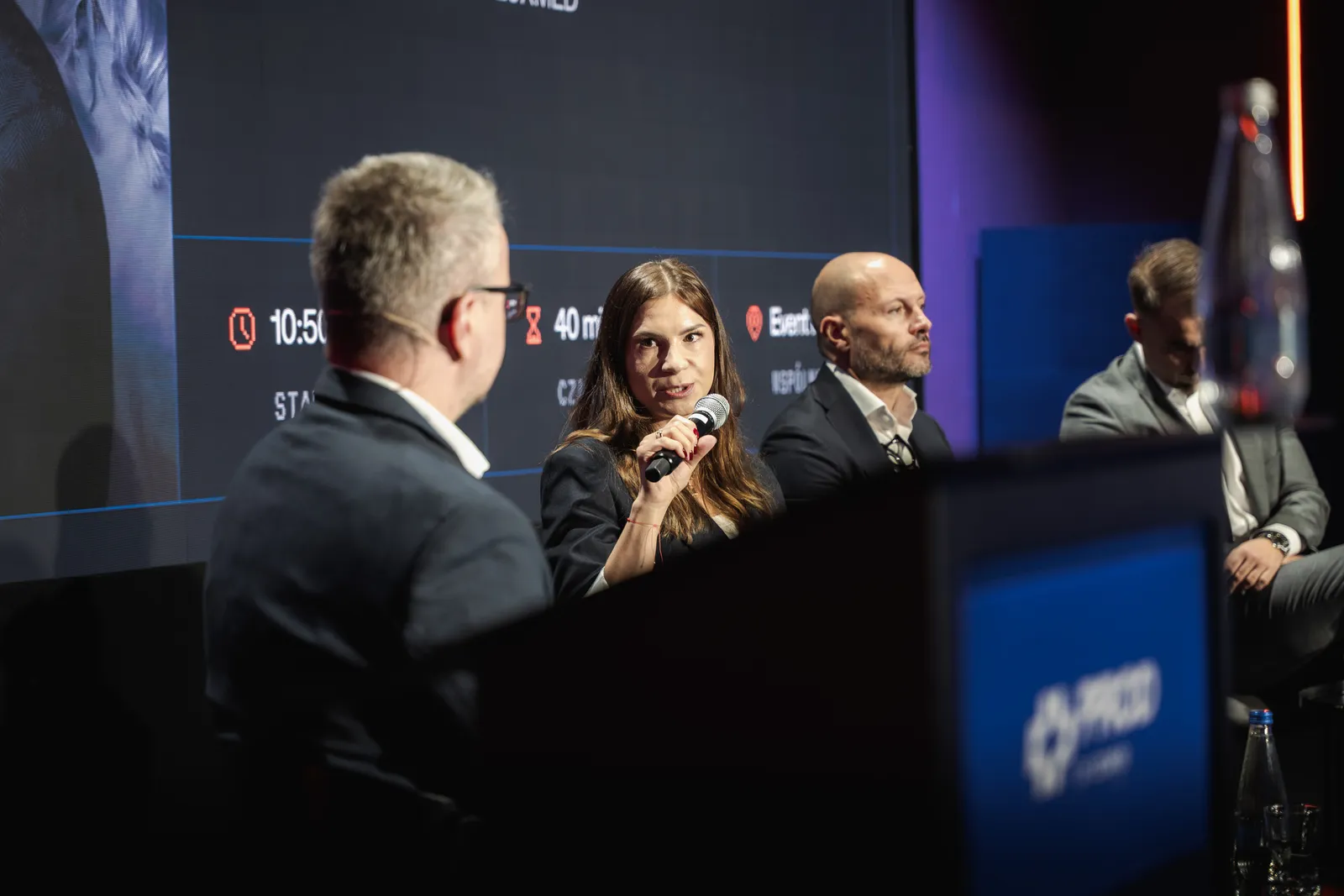
“Every time, that patient has to tell the next doctor the same story during the visit. If the doctor has the most important context on the panel, that is already a win for the doctor and for the patient. ”
At LPP the consultants did not wait for a finished system. Ten of them became testers: they tried the platform in real customer service and went through their feedback with the team every day. Dawid Telepski built the tool together with the people who were going to work in it, because from the start the point was one place for both the person and the agent.
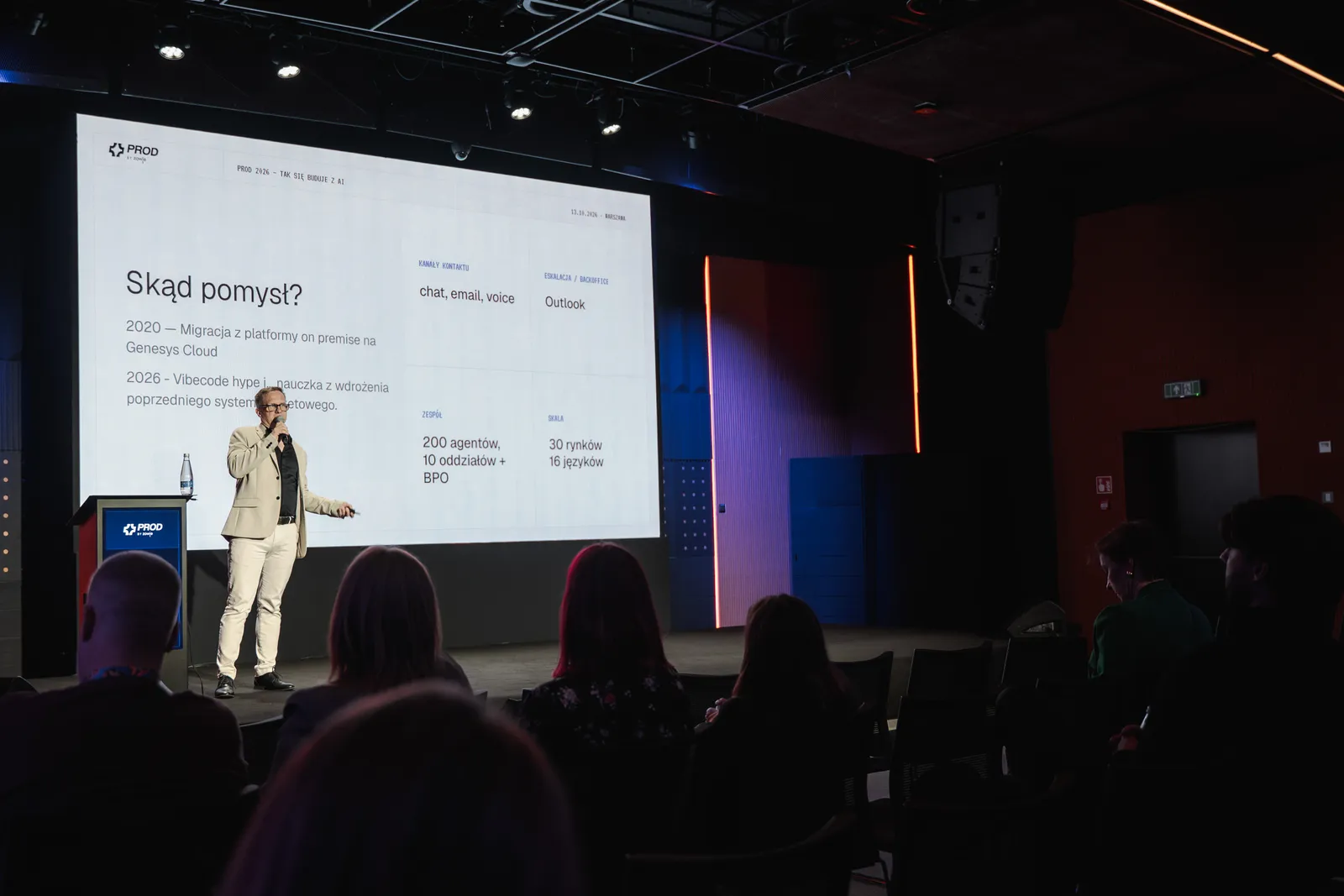
“I needed a system in which AI agents and consultants can work together in one environment. ”
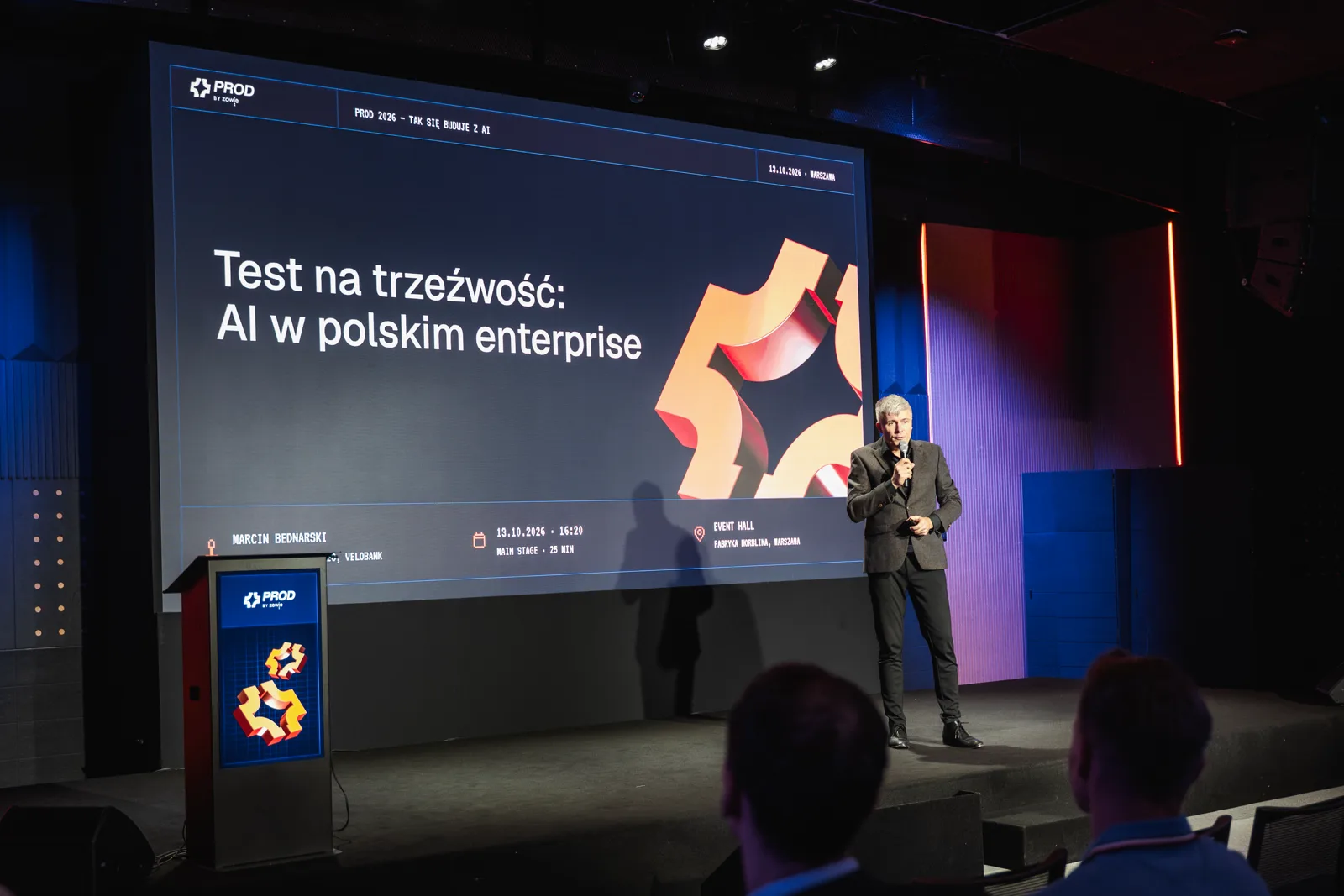
Marcin Bednarski took apart on stage the legend that the team will love the change because it saves time. The team hears ‘AI will help’ and thinks ‘what happens to me?’. Until someone shows what the working day will look like after the change, everyone writes their own answer.
The change does not stop at the contact centre and the IT teams. An integrator showed that analysts, testers and leads already use the same mechanisms as developers: for test cases, acceptance statuses and workshop notes. At one of the companies rolling out an AI assistant, employees described their day in a similar way: the assistant proposes a first version, they refine it and still check the sources. Karol Tajduś of Bank Pekao put it most broadly.
“For me AI is not only automation. It is also a change in how we use technology, get access to data and make decisions. ”
And you?
Takeaways
- 01
Describe one person's working day before and after, and show it to the team before they hear ‘AI will help’. If you can't describe it, you don't yet know what you are rolling out.
- 02
The new roles are the spec writer and the person who accepts the result. Staff them before you buy the tool.
- 03
Don't write off juniors. Change their scope and put a senior next to them, and make seniors the authors of the rules agents follow.
The bill only arrives at full cost.
The second most popular table topic: how to measure AI's effect on a team. The stage agreed that the current measures don't work.
A consultancy opened the thread coolly: AI adoption in development teams is almost universal and the effect on results modest, because spend grows faster than anyone can measure the outcome. An integrator named the metric that lies the most: lines of code generated. A logistics operator asked the room a question few could answer: who at your company knows what AI costs per month? He also named a cost no licence shows: AI that moves data between systems that don't talk to each other is a very expensive plaster, paid every month.
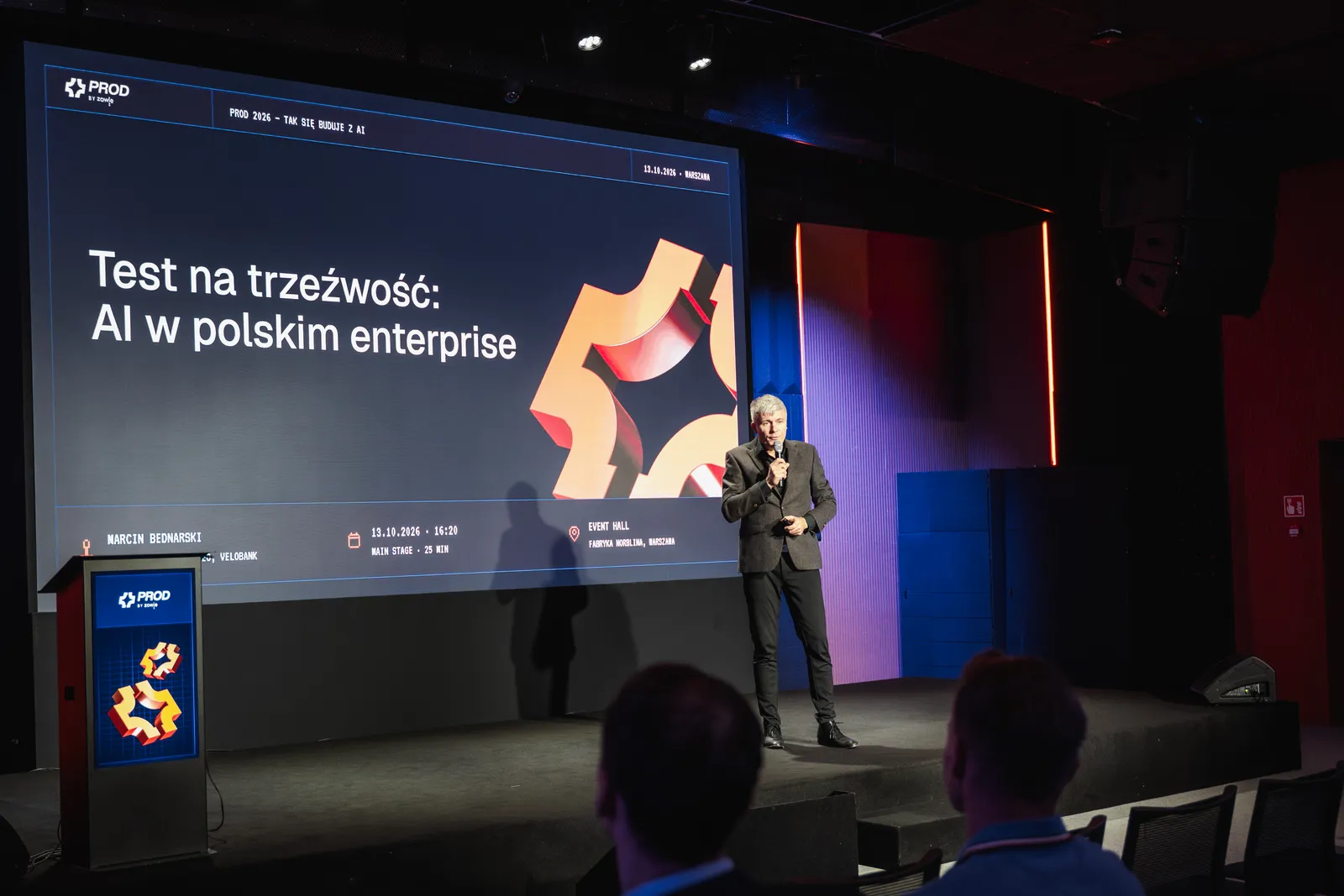
“Will there be a return on AI? There is and there will be. Only not always as large and not always as fast as we assumed. We measure the return at full cost and by the effect in the process. ”
Marcin Bednarski proposed a sobriety test for it. Every project gets checked in three places: do we know which problem and which measure we are improving, do we have the data, the process and a way into the systems, and is it clear who owns an error and when a person steps in. A missing answer is a reason to name the missing condition and fund it, rather than to drop the project.
What companies thought at the start and what they said after two years.
Myths the speakers took apart on stage.*
* Edited by Zowie from the talks at PROD.
The myths the speakers dismantled on stage are collected next to this text in pairs: what the company thought at the start and what it said after two years.
“To judge whether an AI rollout delivered, we have to know where we started. Without a baseline and concrete measures it is hard to talk about real business value. ”
If lines of code lie and the baseline has to exist before the start, the question is what to measure. Public research shows how far perception drifts from measurement. In DORA's 2025 research, 90% of people building software use AI, more than 80% say it makes them more productive, and 30% trust AI-written code little or not at all. A year earlier the same research team estimated that delivery stability falls as AI adoption grows. According to Workday research from 2026, employees lose nearly 40% of the time AI saves them to fixing its output, and only 14% consistently see a clear net gain.
Zowie's speakers showed two ways not to fool yourself. An agent building software passed 100% of the tests it had seen and 93% of the hidden ones, so the score that counts is on tests the builder does not know. In testing a voice agent, coverage is counted by the volume of real conversations the tests include. We put it all on one cheat sheet.
Measure this instead.
A cheat sheet from the PROD talks and public research. One measure per row is enough if you take it before the start.
Customer service
Instead ofnumber of tests and minutes saved according to a survey
Measurewhether the customer comes back about the same issue, how much effort the contact costs them, conversation quality and rule breaches
Development teams
Instead oflines of code and number of prompts
Measuretime from change to production, rework and defects that reached customers
An agent checking itself
Instead ofits score on tests it has seen
Measureits score on tests hidden from the builder
Time saved
Instead ofwhat people say in a survey
Measuretime saved minus rework
The whole AI programme
Instead ofnumber of licences and active users
Measureone process measure taken before the start, and the full monthly cost
Edited by Zowie from the talks at PROD and research by DORA (2024, 2025) and Workday (2026).
The sobriety test
Six statements about one AI project that is running at your company or about to. Tick the ones that are true today, not in the plan.
Takeaways
- 01
One process measure per project, taken before the start. Licences and tokens are costs, not effects.
- 02
Add up the full monthly cost of AI: models, people, maintenance, updates.
- 03
Start with a process where the car already has a road: limited scope, available data, an owner, a safe way back to a person.
// To be continued
coming soon
Tell me when the next part is out.